


Most NZ businesses run on undocumented IT environments. When a key person leaves or a system fails, no one knows what's running where. Here's why building a living documentation layer is the single highest-leverage investment you can make in business resilience.
Key takeaways
- 1Network maps and infrastructure diagrams — a clear visual record of every device, connection, and system on your network
- 2Asset registers — a complete, up-to-date inventory of every piece of hardware and software, including purchase dates, warranty status, and licence details
- 3Runbooks — step-by-step procedures for common IT tasks, from password resets to server restarts, written for the people who actually need to use them
- 4Standard Operating Procedures (SOPs) — documented processes for onboarding, offboarding, security incidents, and change management
- 5Living IT portal — a centralised, searchable knowledge base that stays current as your environment changes
Ask any IT support engineer what makes a business hard to support, and the answer is almost always the same: no documentation. No one knows which server handles the payroll system. The firewall was configured by a contractor who left two years ago. The Wi-Fi password lives in someone's head. When something breaks — or when that person walks out the door — the business pays the price.
At Optimyze, IT documentation isn't an afterthought. It's the foundation on which everything else we do is built.
The Challenge
New Zealand SMBs are particularly vulnerable to undocumented IT environments. In many small businesses, one person — often not formally an IT professional — carries the entire mental model of how the technology works. That knowledge rarely gets written down, and when it's gone, it's gone.
The symptoms appear gradually: troubleshooting takes twice as long because no one is sure what's connected to what. Onboarding a new staff member becomes a week-long process of discovery. A hardware failure triggers a scramble to find vendor contacts, licence keys, and recovery procedures. Auditors ask for an asset register and the business can't produce one.
These aren't edge cases. They're the everyday reality for the majority of businesses we onboard — and they're entirely preventable.
What Optimyze Delivered
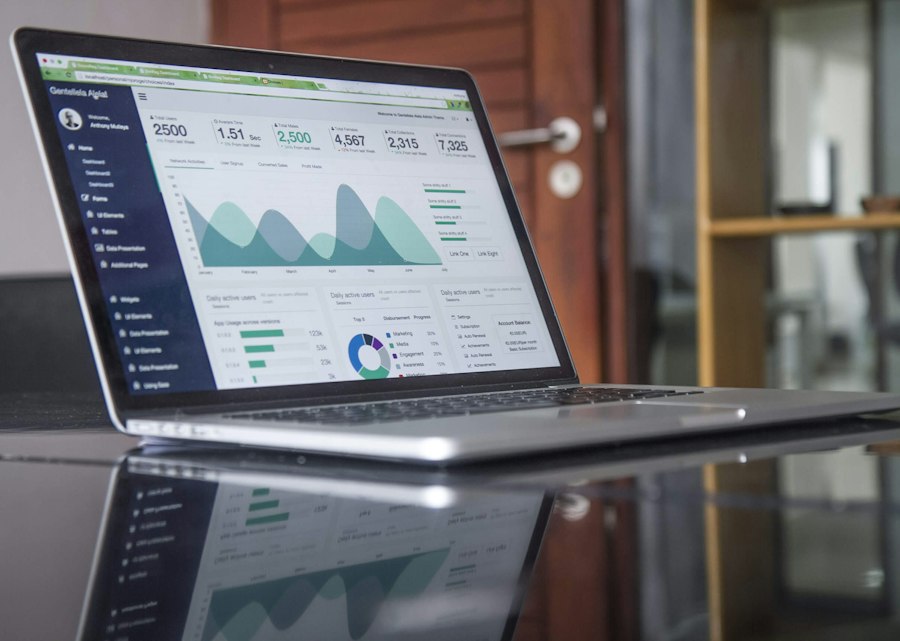
Optimyze builds a living documentation layer for every client — a structured, maintained knowledge base that captures exactly what's running, how it's configured, and what to do when something goes wrong. The core deliverables include:
- Network maps and infrastructure diagrams — a clear visual record of every device, connection, and system on your network
- Asset registers — a complete, up-to-date inventory of every piece of hardware and software, including purchase dates, warranty status, and licence details
- Runbooks — step-by-step procedures for common IT tasks, from password resets to server restarts, written for the people who actually need to use them
- Standard Operating Procedures (SOPs) — documented processes for onboarding, offboarding, security incidents, and change management
- Living IT portal — a centralised, searchable knowledge base that stays current as your environment changes
Every document is written to be understood by a non-technical reader — a new employee, an auditor, or an alternative IT provider if you ever need one. The goal is to eliminate single points of failure at the human layer, not just the technical one.
The Outcome
Businesses with strong IT documentation recover faster from incidents, onboard staff more efficiently, and pass audits without the scramble. When something goes wrong — and eventually something always does — the runbook is already written.
For our clients, the practical difference is measurable: support calls are resolved in minutes because the environment is understood. New staff are productive from day one because the systems are explained, not mysterious. Vendor relationships are managed because the contracts and contacts are documented in one place.
"When our IT manager left, we expected chaos. Because Optimyze had documented everything, the transition was seamless. We didn't miss a beat."
IT documentation isn't glamorous. It doesn't come with a ribbon-cutting moment. But when you need it — and you will need it — nothing else matters more. If your business is running on undocumented IT, the time to fix that is before the crisis, not during it.